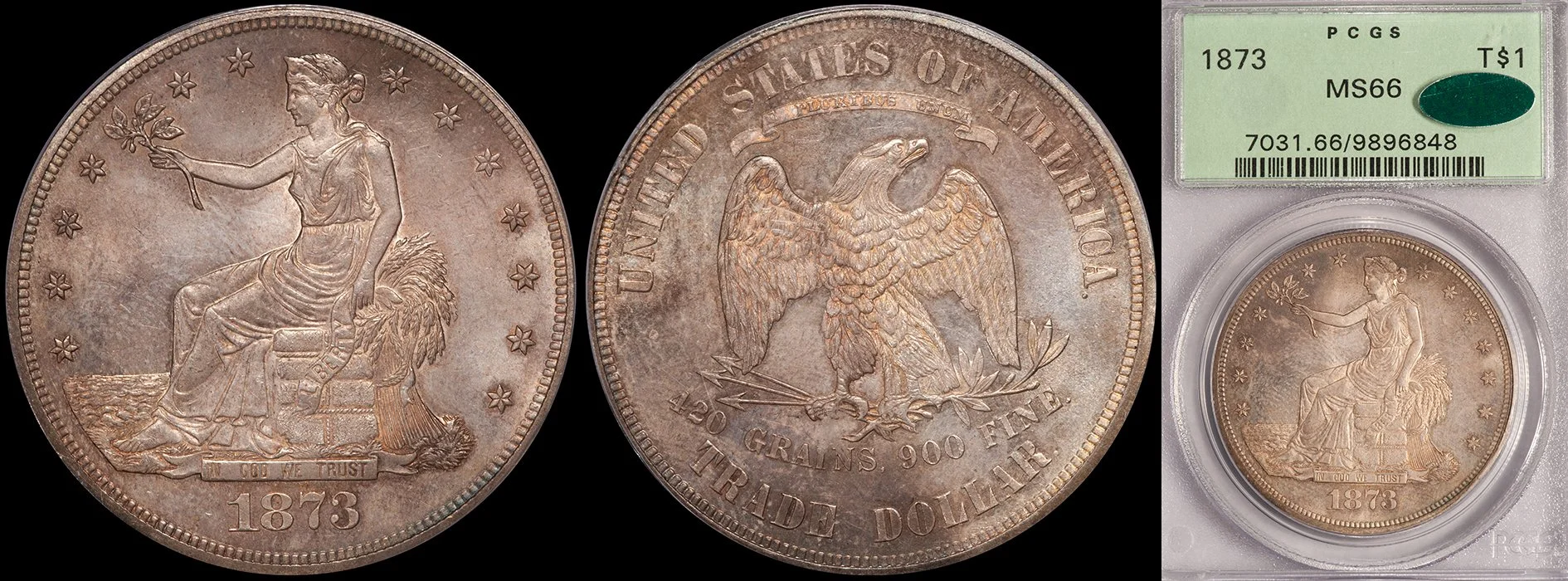
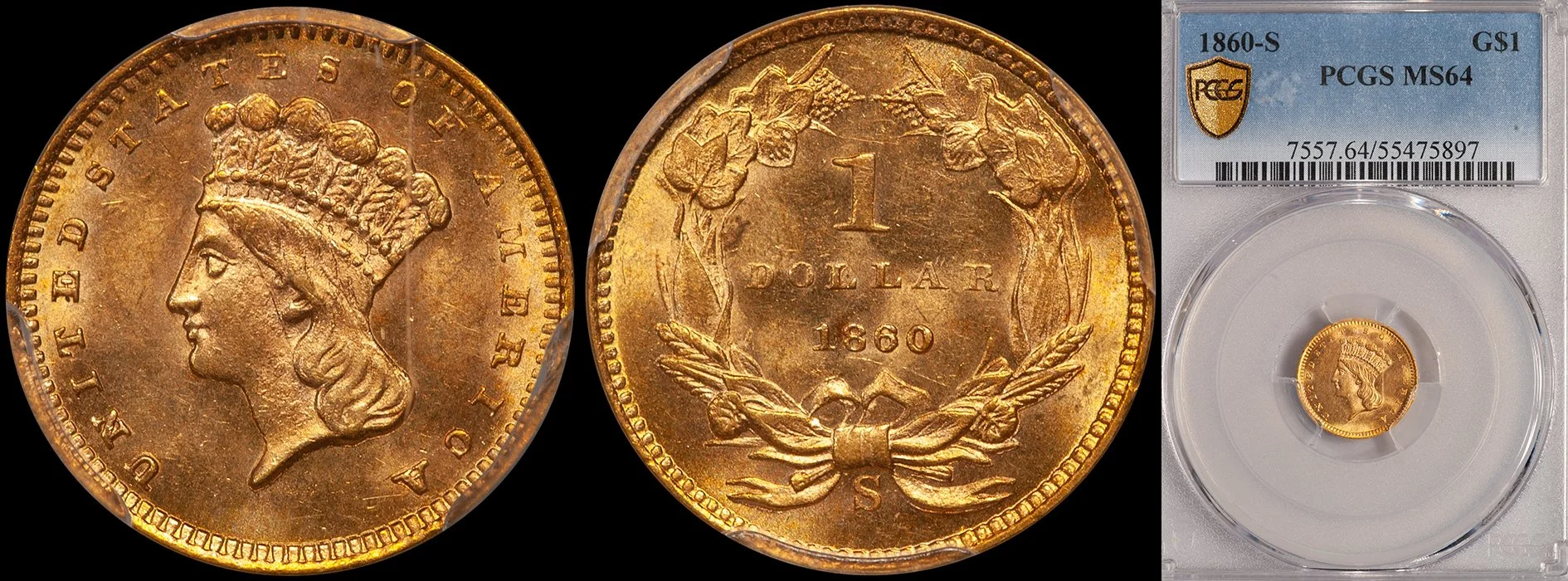
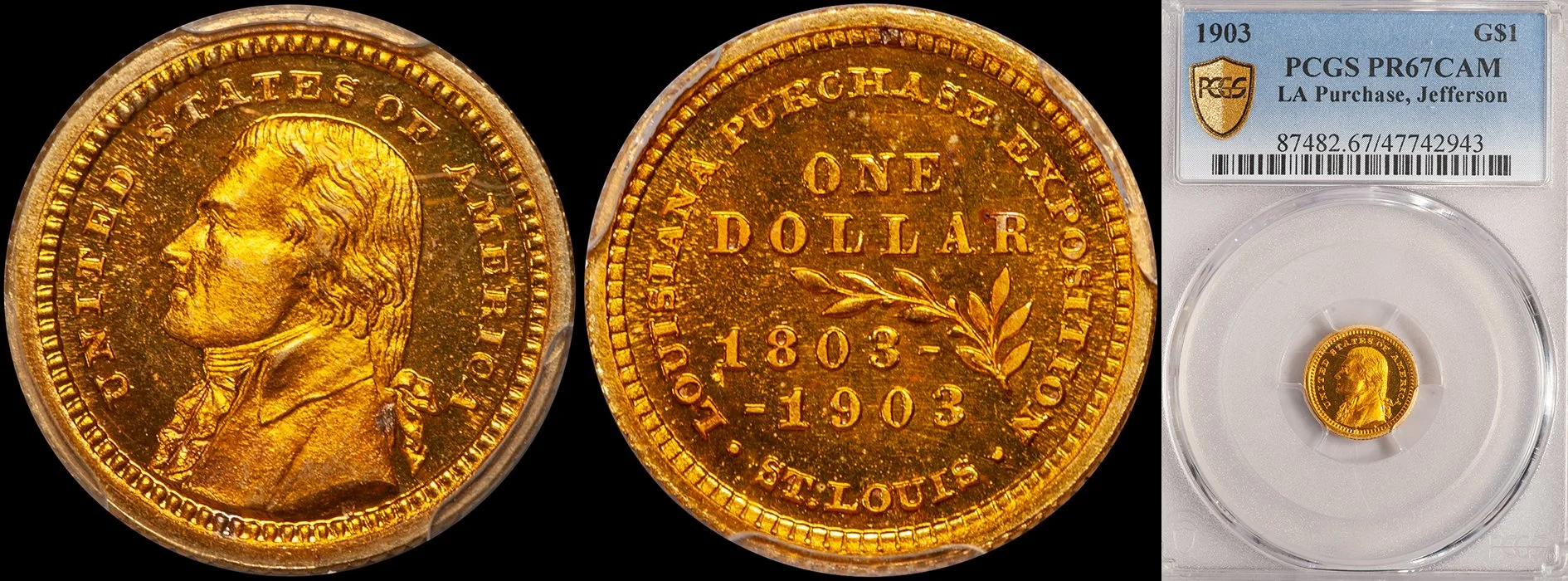
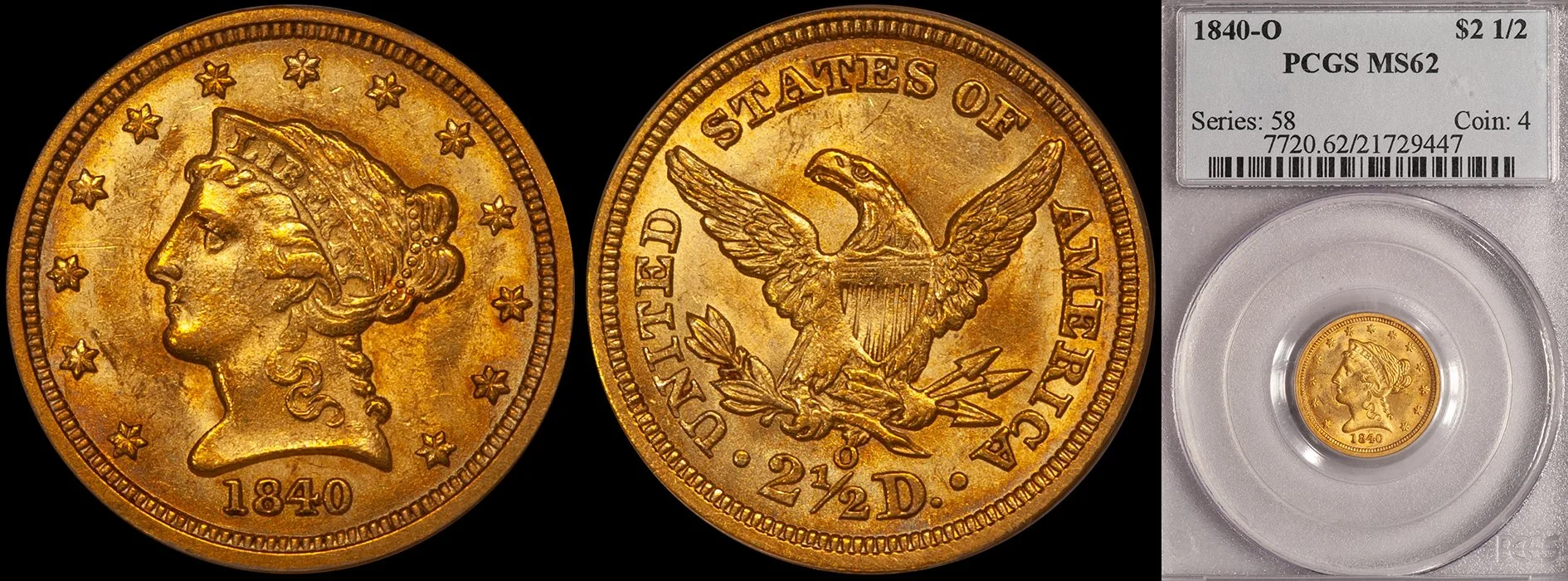
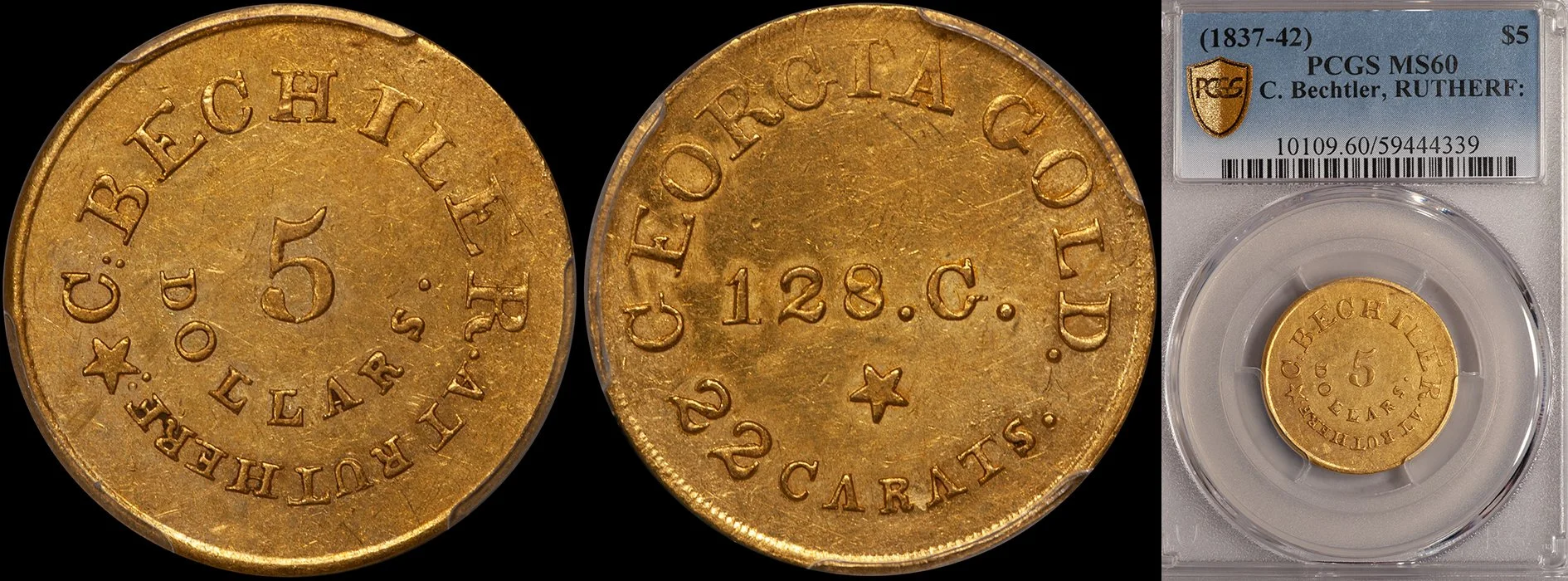
1842-O $2.50 PCGS AU50 CAC

In terms of overall rarity, the 1842-O is the third most difficult New Orleans quarter eagle to find after the 1845-O and the 1843-O Large Date. Only 19,800 were struck and survivors number below 150 with most showing heavy circulation. This frosty, original example shows rich green-gold surfaces punctuated by splashes of reddish-gold. There is quite a bit of mint luster present and not that much actual wear. As is so often the case with this date, the strike is somewhat flat at the centers and this has caused PCGS to be a bit conservative on the grade that they have assigned, in my opinion. Amazingly, there have been no PCGS graded AU50 examples of this date sold at auction since the Heritage 3/01: 2257 coin which brought $1,600 a decade ago. This is the only AU50 example of this date to have received CAC approval.

1876-CC $20.00 PCGS AU50 CAC

Semi-prooflike with beautiful deep, rich orange-gold color that is contrasted by darker hues on the highlights. This coin, which is clearly sourced from Europe and which has the lovely Euro look I often mention, has the body and flash of a higher grade but the surfaces are a bit "chattery" as is often the case with examples of this era. It is unusual to see an 1876-CC double eagle that is reflective and it is becoming very hard to find pieces that are as original as this one is. As a date, the 1876-CC is only moderately scarce but it becomes pricey in any grade approaching Uncirculated. A nice example for the collector who is just beginning to take the plunge into the world of CC double eagles.

1850 $5.00 NGC AU55 CAC

With the exception of the 1842 varieties, the 1850 is the scarcest half eagle struck at the Philadelphia mint prior to the Civil War. It is much scarcer than either the 1850-C or 1850-D yet it is priced at a fraction of these two popular branch mint issues. This choice, original example shows nice natural green gold color atop satiny, non-abraded surfaces. There is a small dig on the obverse near the bridge of Liberty's nose that runs up to the area between the fifth and sixth stars. For the price, this is one of the scarcer gold issues from this era that the collector will be able to find.

1855 $20.00 PCGS AU53 CAC

This is one of the nicest AU53 examples of this date that I have seen. It is very lustrous with nice orange-gold color and extremely choice surfaces for the date. There is one small reeding mark on the cheek that narrowly knocks this from an AU55 grade but the eye appeal is really exceptional, especially when one considers how "baggy" this date typically comes. A very scarce issue and great value at under $3,000.

1859-C $5.00 NGC AU55 CAC

Early die state without the extensive obverse rust seen on many examples. The 1859-C is, along with the 1860-C, one of the most difficult Charlotte coins of this denomination, to find with good eye appeal. Due to faulty annealing and/or incomplete hubbing, these two dates have an odd "unfinished" look which is visible even on high grade coins. This example, while not "perfect," still has a far above-average look for the date with nice overall detail and lovely deep natural green-gold color on the obverse and reverse. There are a few scattered marks seen in the right obverse field. This ia ctually one of the best-looking circulated 1859-C half eagles that I can recall having seen in some time and if you collect this series in circulated grades, you'll appreciate the originality and eye appeal of this coin.

1872-CC $5.00 NGC AU55 CAC

There are only two half eagles from the Carson City mint that are unknown in Uncirculated: the 1872-CC and the 1878-CC. The 1872-CC is not as rare, overall, as the 1878-CC but it is a scarce coin in all grades with slightly more than 100 known from the original mintage of 16,980. The present example is completely new to the market, having recently been found in Europe. It is the single most original 1872-CC half eagle that I have seen with lovely deep, even green-gold color atop lightly worn, satiny surfaces. This date is typically seen bright and many of the coins in AU holders have been recolored (I have seen at least two with horrible Cheeto orange color). This is compounded by the fact that the surfaces on most are deeply abraded. Not so on this piece, as it is very clean with no marks of note. In the last few years, I have only handled one 1872-CC half eagle that was slightly better than this; an NGC AU58 that was CAC approved. Comparing this example to recent offerings, it is similar in quality to Heritage 4/06: 1890 (PCGS 55; $28,750) and much nicer than Heritage 1/23/07: 1415 (PCGS 55; $25,000) or Stack's Bowers 6/11: 9492 (PCGS 55; $25,300). The demand for choice Carson City gold coins has grown considerably in the last few years and, in my opinion, this is the best 1872-CC half eagle that is available. It is the only AU55 that has received CAC approval (two in AU58 have as well). A very important offering for the advanced specialist.

1800 $5.00 NGC MS63 CAC

BD-2, Rarity-3. Blunt 1 variety. While not given much of a premium over more common dates of this type, the 1800 is a scarce issue in the higher Uncirculated grades and an issue which doesn't get the respect that it deserves. I have built a number of date sets of 1800-1812 half eagles in MS63 and above and nice examples of the 1800 have always proven to be elusive. This high end example has a very fresh appearance with attractive even light green-gold hues on the obverse and the reverse. This coin is really "as struck" and it has the body and appeal of a borderline Gem but there are a few mint-made issues that need to be noted. There is a small, thin vertical planchet flaw on Liberty's face that is hard to see as well as some very faint adjustment marks at the obverse center. On the reverse, there is a tiny crack in the planchet that curves from the top of the arrows into the shield. But other than these, the surfaces are immaculate and the overall eye appeal is well above average for the date. There have been just two MS63 examples of the 1800 half eagle in MS63 sold at auction in the last two+ years.

Ex Heritage 10/11: 4859 where it brought $29,900.

The NFL GM's Theory of Coin Buying

Is it possible that a strategy used by the General Manager of your favorite National Football League team can be applied to building your collection? This might not be as much of a stretch as you are, no doubt, thinking - and I invite you to read this blog and give my theory some thought. Have you ever wondered why some NFL teams select a linebacker in the first round of the draft even though they already have three excellent starters in their line-up and some good backups as well? What were they thinking? They were probably using the "draft the best available athlete" strategy and this can, in my opinion, be applied to your coin collection.

First, a little background is in order here. Some coin collectors have a very clearly defined focus to their set(s). They might collect something like Charlotte quarter eagles by date and they know exactly what they need to complete the set. But many other collectors are not this focused and I frequently get emails from collectors or calls from existing clients asking me "Doug, what set should I be focused on?"

The key word here is "focus" and I feel that focus is something that's very important for a new or advanced collector. Having a focus gives you a sense of purpose as a collector and allows you to see a beginning and an end of your endeavors.

But "focus" means one thing to one collector and another thing to another. Some collectors are exceptionally focused and are excited by the thought of collecting every known die variety and die state of 1798 half eagles; for others this would be torture. So how exactly can the "NFL theory" work for the collector who knows he needs some sort of direction to follow but who doesn't want to follow an overly-narrow course?

Remember what I said earlier about drafting the best available athlete? Well what if a collector's focus was the "best available coin?" This might mean that he wasn't buying a certain Charlotte quarter eagle because it fit into a date set but rather because it was scarce or had a great "crusty" look or it was low population (or a combination of all these factors).

Most collectors have laid some basic ground work for their collections. They might buy just gold coins, as opposed to coins in all metals. Taking this further, what if the collector then decides to specialize in gold coins struck between 1800 and 1900? There are a number of things this collector can now decide to become more focused without becoming too much of a specialist. Some examples might include the following:

-Buying coins priced between $2,500 and $5,000 -Buying coins with a certain sort of "look" -Buying coins with original mintages of less than 10,000 -Buying coins that are in the top 10% of all those graded for the date -Buying coins from branch mints -Buying coins not from branch mints

Its my belief that too many collectors worry about being over-specialized and that, in order to deal with DWN they have to be specialists. This isn't the case.

Coin collecting should be about buying what interests you and what makes sense for your budget. I know of many collectors who are, in a loose sense of the word "specialists" but not in the traditional sense.

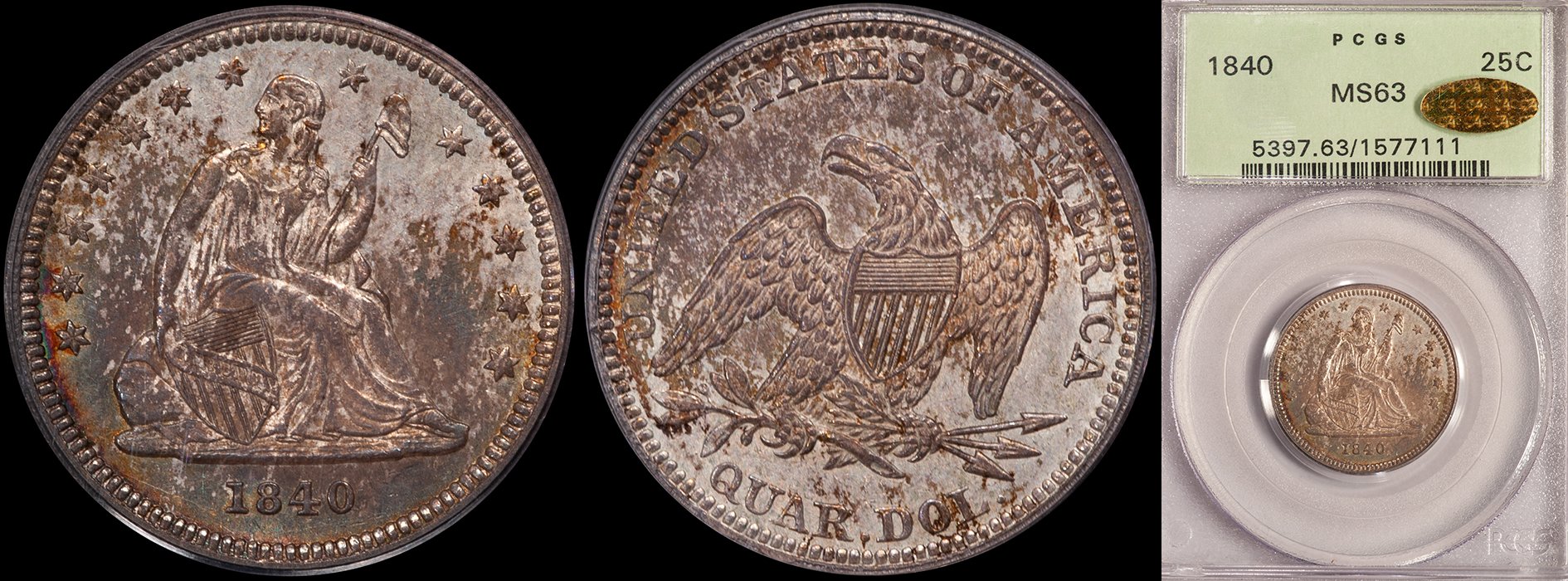
1890-CC $20.00 NGC AU58 CAC

This very lightly worn CC double eagle shows very clean surfaces for the date and grade. Both the obverse and rerverse are lustrous and show pleasing orange-gold and rose color. In my opinion, this choice, clean example is preferable the typical MS60 to MS61 example that might have a bit more lustrous but which also has many more abrasions and less eye appeal. The 1890-CC is one of the more available double eagles from this mint and the lack of date premium ascribed to this issue makes it ideal for type purposes.