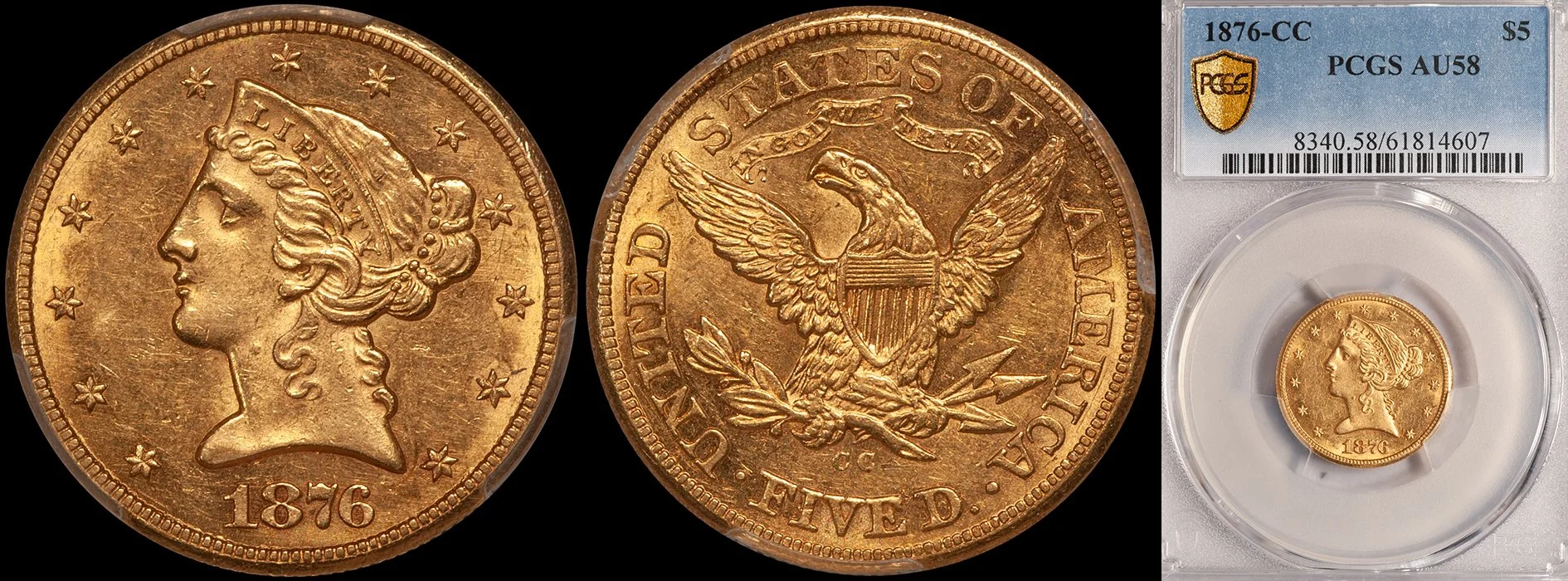
ANA (Mis) Adventures: 1982

As I get ready to head to Philadelphia for this year's ANA, I'm in a reflective mood. This is my 30th consecutive year of attending this show and my thoughts go back to my first ANA as a professional: Boston 1982. Let me set the scene for you. Although I had attended two ANA shows before (the hometown New York edition of 1976 and the New Orleans version in 1981), the 1982 ANA was my first show as a full-time professional numismatist. Bright-eyed and eager, I had recently moved to Dallas, TX to start work for Steve Ivy Rare Coins. My first task in Dallas was to help write the catalogs for the ANA auction; Steve Ivy Rare Coin Auctions had been awarded the official sale and put together a sale that, while not well-remembered today, was replete with amazing quality coins and numerous rarities.

What a lot of people forget about the coin market in 1982 is that it was dismal. After the amazing precious metals price run-ups in 1979 and 1980, the market crashed in 1981 and by 1982, you literally couldn't give coins away. More on that in a second...

Steve Ivy Rare Coins (which was to soon merge with Jim Halperin to form Heritage Rare Coins) was a great example of just how badly the coin market had been devastated. In 1979-1980, I believe that there were close to 200 people working at the firm. After the market tanked in 1981, most of the staff was let go. When I was hired, I think there were something like a dozen people on the staff. Amazing as it seems today, this small group of employees was tasked with the responsibility of putting together an ANA sale, selling the coins and collecting the money; not to mention the normal buying and selling associated with the show.

I vaguely remembered thinking that Steve would be relying very heavily on me at the show. I was certainly going to help with the auction and I assumed that he'd have me run around and buy coins for him.

Just before the convention began, I met with Steve and he gave me an idea of what my main goal for the show was. To say that my balloon was quickly deflated is an understatement. But let me set this Ego Affront up better so the punch line will make more sense...

As I mentioned above, the coin market in 1982 was appallingly bad. There were tons and tons of great coins around and, compared to the heady days of 1979 and 1980, prices were cheap; sometimes as low as thirty or forty cents on the dollar. The problem was that no one had any money or any confidence in the market.

But, there was, it turned out, one person who was buying coins. His name was Hugh Sconyers.

Hugh wasn't a real numismatist; he was involved in the investment world and he was known as being one of the smartest people to ever walk a bourse floor. He represented a group of investors who thought coins, in 1982, were cheap and he set out to buy millions of dollars of choice and rare United States pieces. His buying would peak at the Eliasberg sale in October 1982 where he spent millions of dollars on amazing coins.

I never really knew Hugh that well; just mostly by sight and by reputation. I was told his checks were good (no simple feat in 1982...), he was at the show solely to buy coins and this made him The Most Wanted Man at Boston ANA. There was a bit of a problem though. Hugh was a "personality buyer." What I mean by this is that Hugh bought coins mostly from people he knew and trusted. This meant that a number of dealers who would have given their first born child to have an hour with Hugh at the table buying their coins would never have the opportunity.

As soon as Steve Ivy found out about Hurricane Hugh, he called me over and gave me a new job at the show. The conversation, which lasted about thirty seconds, went like this:

Steve: I want you to stop whatever you are doing and follow Hugh Sconyers around the show and take notes about what he's buying. I want to know who he buys from, what he's buying, and how much he's paying. What are you waiting for? Go!

Me: Uh, OK.

So my first day at my first ANA show as a professional coin dealer went like this: I had a note pad and a pen and I followed Hugh from a distance. Let's say he stopped at Joe Flynn's table. I figured my job was to get just close enough that I could spy on Hugh and give a detailed report to Steve. So as Hugh was flipping through Flynn's double row boxes, I was at the next table pretending to look at coins out in the nearby case(s). Or something like that...

I think I did this for about thirty minutes until Hugh turned around and stared at me while he was at another dealer's table. He had to be thinking at this point: "who is this kid following me and what does he want?"

I don't remember how much longer I bird-dogged Sconyers or how my report to Steve Ivy went later that day. I do remember that something else came up within an hour or two that was even more potentially life-changing for the company and I was sent on my way to put out the fire.

Did Hugh ever come over to buy coins from Steve Ivy at the 1982 Boston ANA? I don't know the answer to that but I'd like to think he did. And I've got to think he was happy that the strange kid in the ill-fitting suit who was following him earlier in the show had disappeared.

San Francisco Liberty Head Eagles 1854-1878: A Date-by-Date Analysis, Part One

After many years of neglect, the Liberty Head gold coinage from the San Francisco mint is becoming popular with collectors. This makes sense as it is, for the most part, affordable and there is no denying the historic connotation(s) of the early issues. In my experience, one of the most collectable groups of gold coins from this mint is the eagle coinage from 1854 through 1878. The first quarter-century of eagle coinage from the San Francisco mint is full of rarities and it makes an especially challenging set for the collector of means. In this two-part article, I'll take a look at each date in the series (from 1854 through 1878) and at some important varieties as well.

In Part One, which is included here, we'll cover the No Motto dates produced from 1854 through 1866. In the second part, which will be published next month, we'll cover the With Motto issues from 1866 through 1878.

1854-S $10.00 NGC AU58

1854-S: A popular issue due to its status as the first eagle from this mint but one of the easier gold coins dated 1854-S to locate due to its large initial mintage of 123,826. The 1854-S is mostly found in EF40 to AU53 grades. It is scarce in properly graded AU55 to AU58 and extremely rare in Uncirculated. The only Uncirculated 1854-S eagle that I have seen was an NGC MS62 that was owned by Kagin's around six or seven years ago; it was later sold to a West Coast specialist. This date is most often found with abundant abrasions and impaired luster and any choice, original piece is scarce.

1855-S $10.00 PCGS AU53

1855-S: The mintage for eagles dropped to just 9,000 during this year and the 1855-S eagle is a rare, under-appreciated coin. I believe that there are around fifty to sixty or so known in all grades with most in the VF30 to EF45 range. In About Uncirculated, the 1855-S eagle is quite rare and of the ten to twelve known, almost all are abraded AU50 to AU53 pieces. I have never seen an 1855-S eagle that graded higher than AU55 and just two or three at that level. PCGS has graded a single coin in AU58 and there are currently none known in Uncirculated. Despite the rarity of this date, it generally trades in the $5,000-7,500 and it seems like exceptional value to me.

1856-S $10.00 NGC AU55

1856-S: The mintage for San Francisco eagles rose to 68,000 in 1856 and the 1856-S is one of the more readily available early dates from this mint. There are hundreds known in the EF40 to AU50 range and this date is available--at reasonable levels--even in AU55 to AU58. For many years, the 1856-S eagle was unknown in Uncirculated but a few high grade examples were found in the S.S. Central America treasure. The finest is a PCGS MS63 that is ex Christie's 12/00: 73, where it sold for $19,550. At least one or two others exist in PCGS MS62 including ANR 5/05: 378, which also brought $19,550. Varieties are known with a Medium S (as on 1854 and 1855) and a Large S which is significantly scarcer. As with the 1854-S, this is a date that is very hard to find with original color and minimally marked fields.

1857-S $10.00 PCGS AU55

1857-S: The rarity of this date is somewhat skewed by the availability of the double eagles dated 1857-S but it is actually a relatively scarce coin. A few hundred are known and these tend to be in the EF45 to AU53 range. Properly graded AU55 to AU58 examples are very scarce, especially with natural color and choice surfaces. There were a few high quality pieces found in the S.S. Central America treasure and the best of these, graded MS64 by PCGS, is ex Heritage 2/09: 2906 ($53,188), Christie's 12/00: 74 ($40,250). There is at least one other 1857-S eagle that has been graded MS63 by both PCGS and NGC. All examples have a Medium S mintmark and there appears to be at least two different date positions.

1858-S $10.00 NGC AU58

1858-S: Beginning with this issue, the eagles from the San Francisco mint become rarer than the previous dates (with the exception of the 1855-S) and part of this is attributable to low mintages. Of the 11,800 eagles made at this mint in 1858, it is likely that only fifty or so are known today and most are seen in very low grades. Interestingly, this date is slightly more available in AU grades than one might expect with as many as fifteen known. I have never seen an Uncirculated 1858-S and only one or two AU58's that I thought were accurately graded. No example stands out in my memory as being the clear finest known as nearly all have been dipped and are very heavily abraded. This is a date that the fussy collector is going to have a hard time appreciating and it might be smart to consider a decent EF45 to AU50 instead of the banged-up AU55 to AU58 coins that are seen from time to time.

1859-S $10.00 PCGS AU53

1859-S: The mintage of this issue is a low 7,000; the smallest amount for any San Francisco eagle produced through this year. There are fewer than fifty known and the 1859-S is a rare issue in all grades. The average example is in the VF30 to EF40 range and an accurately graded EF45 is extremely scarce. In AU grades, the 1859-S eagle is very rare with fewer than ten known. PCGS has graded just one in AU55 with none better while NGC has graded an AU58 and an MS60 (neither of which I have seen in person). All 1859-S eagles have a Large S mintmark which seen on the reverse of the 1859-1862 San Francisco eagles as well.

1860-S $10.00 PCGS VF35

1860-S: Only 5,000 examples of the 1860-S were made and this is clearly among the rarest gold coins of any denomination from this mint. This is an issue that is generally seen well worn, with subdued luster and with abraded surfaces. There are as many as six or seven properly graded AU examples known as well as two in Uncirculated. The finest is an NGC MS62 that appears to be ex Stacks 9/06: 1491 ($36,800) and the second best is ex Superior 5/08: 132, S.S. Republic ($36,800). All 1860-S eagles have the same Large S mintmark that is seen on all SF eagles made between 1859 and 1862. While not an inexpensive issue, the 1860-S seems undervalued to me and it still does not get the respect that its Civil War counterparts have generated in recent years.

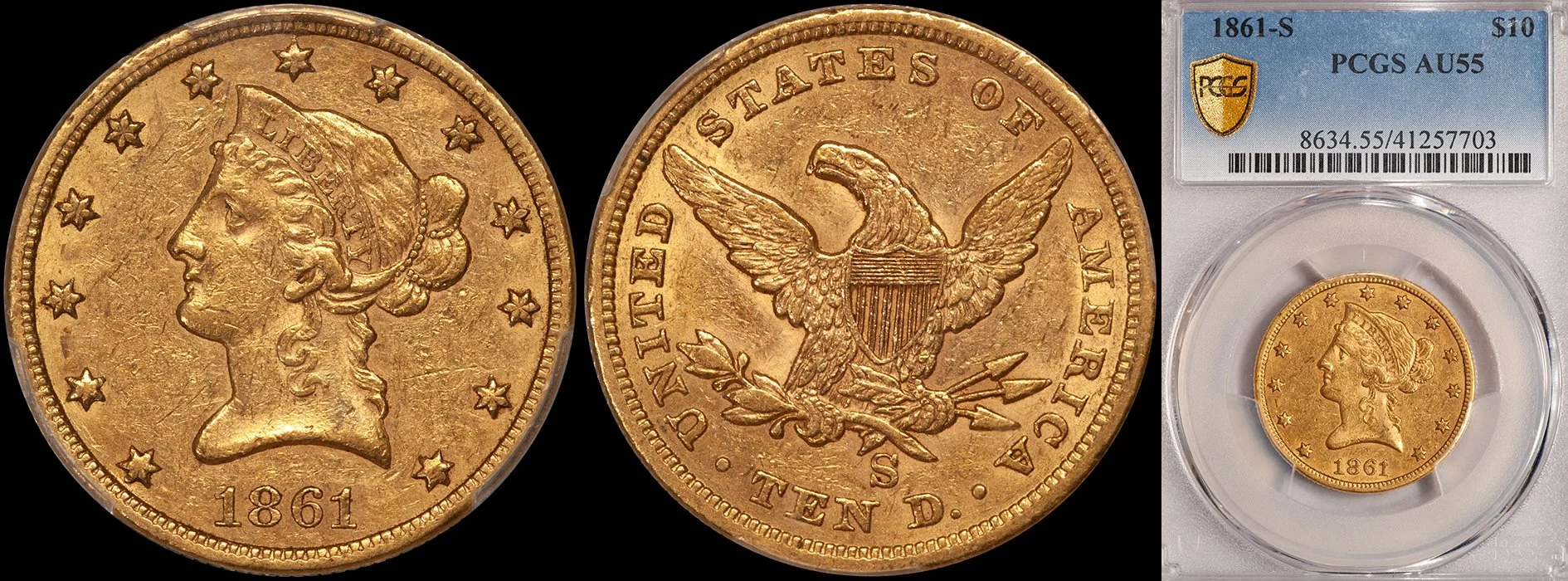
1861-S $10.00 NGC AU58

1861-S: Surprisingly, the mintage figure for 1861-S eagles is higher than in previous years and there were a respectable 15,500 produced. This date is scarce but not nearly as rare as the 1859-S or 1860-S. There are an estimated 80-90 known with enough in the VF-EF range to supply most of the collectors in this series. The 1861-S eagle becomes rare in AU and is very rare in properly graded AU55 and above. It is unique in Uncirculated with the only piece currently accounted for being an NGC MS61 that is ex Heritage 1/12: 4977 ($54,625). There are some reasonably attractive 1861-S eagles known with a decent amount of original color and nominally abraded surfaces. All 1861-S eagles have a Large S mintmark.

1862-S $10.00 NGC AU55

1862-S: The 1862-S eagle is considerable scarcer than the 1861-S, despite their relatively similar mintages; a total of 12,500 of the 1862-S were made. It appears that many were melted and those that did survive tend to show extensive circulation with the typical survivor grading VF25 to EF40. The 1862-S is rare in EF45 and very rare in About Uncirculated with probably no more than a half dozen or so accurately graded pieces known. The finest, by a huge margin, is the unique NGC MS61 that brought a remarkable $103,500 in the Heritage 4/11 sale. The next best that I have seen after this coin is an AU55 from the Bass collection. The 1862-S typically shows light golden-orange color, flat radial lines within the atars and plenty of abrasions on the surfaces. This is the last year in which the Large S mintmark would be used until it was resurrected in 1865.

1863-S $10.00 NGC AU50

1863-S: An even 10,000 eagles were made at the San Francisco mint in 1863. The 1863-S is a bit rarer overall than the 1862-S with around 45-55 known in all grades but it is actually slightly more available in higher grades. There seem to be as many as a dozen extant in AU grades and there are three in Mint State. The finest is Heritage 10/95: 6330 ($27,500), ex Norweb II: 2188 ($7,700) and this is graded MS61 by PCGS. The second finest, also graded MS61 by PCGS, is ex Bass IV: 684 ($18,400). The third finest is an NGC MS61 that was last sold as Goldberg 2/09: 1535 ($37,950). The reverse uses a Medium S mintmark. Despite the overall rarity of this issue, there are some reasonably attractive examples known and with some patience, the collector should be able to find an 1863-S eagle in the EF45 to AU53 range that is acceptable.

1864-S $10 PCGS VF30

1864-S: I have written extensively about this issue and have stated before that it is not only the rarest eagle from this mint but the second rarest Liberty Head eagle, trailing only the 1875. The mintage was just 2,500 (the lowest for any San Francisco eagle) and the survival rate is low as well. Around 20-25 are known in all grades with many either very well worn (I have seen examples in grades as low as VF20) or damaged. The 1864-S is unknown in Uncirculated and exceedingly rare in AU with just two or three known. The finest is a PCGS AU55 that is ex Bass III: 656. This will be the single most difficult coin in the set for the specialist who is working on a SF eagle set. The few coins that are available (I have handled just two in the last decade) tend to be cleaned, well-worn and unappealing. As I have said before, if you have a chance to acquire one, throw caution to the wind!

1865-S $10.00 NGC AU58

1865-S Normal Date: There are two varieties of 1865-S eagle known. The first, which has a Normal Date, is the rarer with an estimated three dozen or so known. The total mintage of this date is 16,700 and it is possible that around 5,000 to 7,000 were struck with the Normal Date obverse. This variety is usually seen with bright surfaces, multiple bagmarks and a sunken appearance which is especially prominent at the reverse center. I have never seen or heard of an Uncirculated 1865-S Normal Date eagle and am aware of just two or three with claims to the AU55 to AU58 range. While not an inexpensive coin, I think it is still undervalued given the fact that it is among the ten rarest issues in the entire Liberty Head eagle series. An advanced San Francisco eagle collection with a nice mid-to-high level AU will have a coin that is not likely to ever be improved.

1865-S $10.00 Inverted Date, PCGS AU50

1865-S Inverted Date: There are few United States gold coins with a higher "cool factor" than this variety. The 186 in the date was originally punched upside down and was then corrected. This can be seen with the naked eye and it is a variety that is not seen on more than a handful of other United States issues. While more available than its Normal Date counterpart in terms of overall rarity, the Inverted Date is rarer in high grades. It is extremely rare in AU with no more than three or four known and it is exceedingly rare in Uncirculated with exactly two known. The finest is a PCGS MS64 that is originally from the Brother Jonathan hoard. It sold for $115,000 in 1999 and when it was resold by Bowers and Merena in their 8/01 auction it brought only $81,650; the second finest is an NGC MS62 from the S.S. Republic that is now owned by a western specialist. This is an issue that is generally seen with a very flat strike at the centers and heavy wear which impairs the luster. Most are in the VF-EF range and have been dipped as well as showing excessive abrasions. A nice EF-AU example of this fascinating variety would make a great addition to a San Francisco eagle set.

1866-S $10.00 NGC AU53, No Motto

1866-S No Motto: This variety was struck early in 1866, before the changeover to the With Motto variety; the 1866 Philadelphia eagles are only known with the new With Motto reverse. A total of 8,500 No Motto 1866-S eagles were coined and this is rare coin in all grades. There are around four dozen known with most in low grades (VF to EF). The 1866-S No Motto eagle is extremely rare in properly graded AU with maybe a half dozen properly graded pieces known. The finest that I have personally seen is Bass IV: 689, graded AU58 by PCGS, that sold for $21,850 a decade ago. This is an overlooked issue that is comparable to the 1860-S and 1865-S eagles in terms of overall rarity and as rare, if not rarer, in high grades.

In 1866, the San Francisco mint changed over to the With Motto design and this continued until the Liberty Head design was abolished in 1907. In next month installment of this two-part article, we'll look at the 1866-S to 1878-S dates.

Would you like to collect these interesting San Francisco eagles? If so, Doug Winter can guide you. Email him today at dwn@ont.com and let him explain even more about these fascinating coins!

1850-D $2.50 PCGS EF40 CAC

A beautiful, wholly original example of this scarcer issue with lovely deep green-gold color on the obverse and the reverse. I grade this coin at least EF45 if not finer but there is a small, old reverse scrape below the right foot of the A in STATES that can be seen with careful examination. The mintage for this issue was 12,148 but the survival rate is low and of the few hundred that exist, only a handful display the originality that this coin has in spades. The PCGS and NGC population figures for the 1850-D do not reflect the true rarity of the 1850-D quarter eagle with total originality; I doubt if more than a dozen comparable pieces are known.

CAC has approved just this one example in EF45 with eleven approved in grades higher than this.

From the RYK Collection.

1852-D $2.50 PCGS VF35 CAC

Old Green Label Holder. By today's standards I grade this coin at least EF40 and possibly as high as EF45. Beginning with this issue, the mintages for Dahlonega quarter eagles drop considerably from the numbers recorded in the 1840's. Only 4,078 were made in 1852 and the 1852-D, while not as rare as the trio of issues from 1854 through 1856, is very scarce in its own right. This piece is well struck at the central obverse but a bit weak at the central reverse. It is toned in a light to medium green-gold hue and there is a good deal of dirt in the lettering on the reverse. This is quite possibly the most affordable very nice example of this issue that I have ever seen (check auction records for VF35, EF40 and EF45 examples and you'll see what I mean...) and it is a great opportunity for the Dahlonega collector on a limited budget.

CAC has approved just four 1852-D quarter eagles in all grades: this one in VF35 and three finer.

From the RYK Collection.

1857-O $2.50 PCGS AU53 CAC

This coin was formerly in an NGC AU55 holder and it had a CAC sticker; it was "downcrossed" to a PCGS AU53 where it now looks pretty undergraded to me! The surfaces are very deeply toned in rich green-gold shades and this is one of the few circulated 1857-O quarter eagles that I can recall with such original surfaces. This is the final year of issue for quarter eagles from this mint and the 1857-O, while not really scarce, is extremely hard to find with this appearance.

This is the only CAC AU53 example of this date; thirteen graded higher have been apporved.

From the RYK Collection.

1868 $10.00 PCGS EF45 CAC

Despite a low mintage of 10,630 business strikes, the 1868 is accorded just a small premium over a common date. It is certainly the most affordable Reconstruction era eagle from this mint but I find it fairly hard to locate and clearly undwervalued. This is a very appealing, high grade example with very original surfaces that show deep green-gold, orange and pale rose hues. A good deal of dirt can be seen on both sides. Great value for the savvy collector!

CAC has approved two in this grade with just three finer.

From the RYK Collection.

1869-S $10.00 PCGS VF35 CAC

If a coin graded VF35 could be called a "gem" this would be it as the appearance is extremely pleasing. The obverse and reverse have an almost cameo-like look with the green-gold devices contrasted by deep russet hues at the borders. Unlike most San Francisco eagles from this era, the surfaces are remarkably clean and PCGS was pretty tough on this coin as it certainly seems to have as much detail as many other comparable coins from this era that I have seen in EF40 holders. Only 6,430 examples were made and there are probably fewer than 100 known in all grades. This coin is a wonderfully affordable combination of true rarity and great appearance.

CAC has approved just this one example in VF35 with two approved in grades higher than this.

From the RYK Collection.

1850 $20.00 PCGS EF40 CAC

An uncommonly clean example of this popular first-year issue with just a few small marks seen in the fields. Light grteen with some slightly deeper contrasting hues seen on the high spots of the obverse and the reverse. Clearly, a high end coin for the grade and always in demand.

CAC has approved five in this grade and forty-one finer.

From the RYK Collection.