Some Random Observations About the 2010 FUN Show

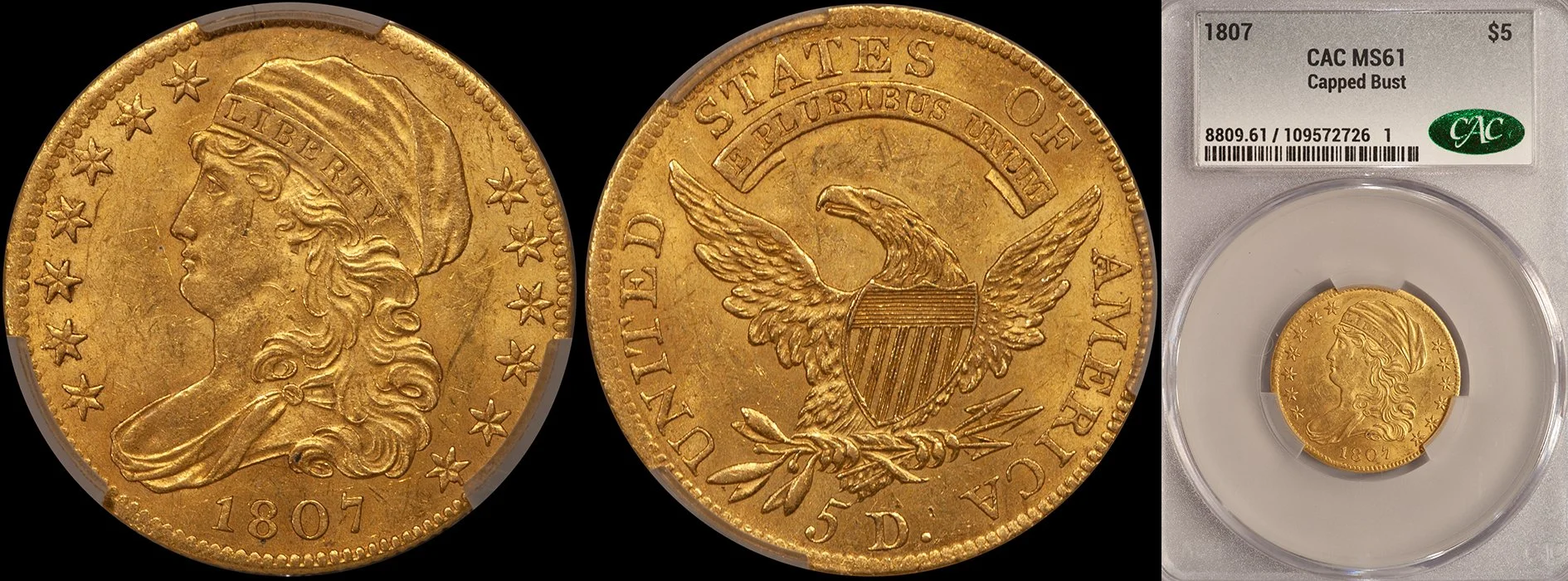
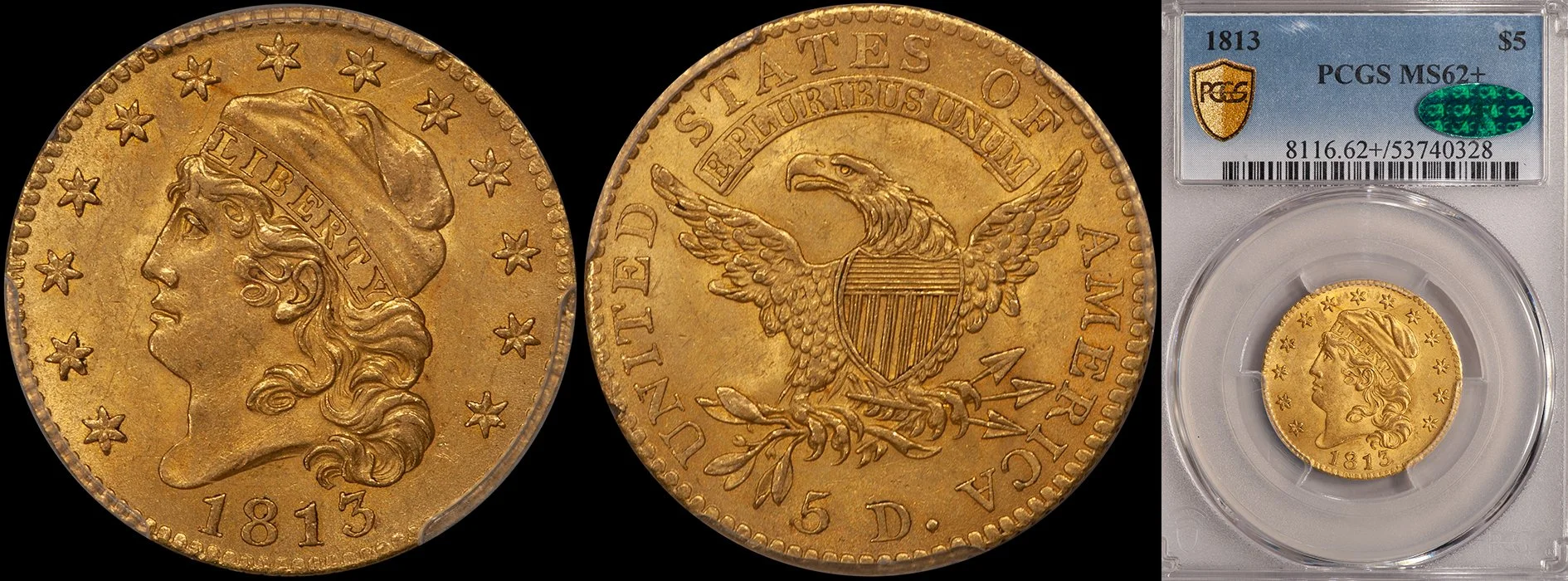
Just like that (cue snapping fingers and whooshing sound) the 2010 FUN show came and went. For me, FUN is always productive and this year was no exception. I had a very good show and instead of the usual tedious (and self-serving) show report, I’d rather share a few random observations about the convention. *I looked at oodles and oodles of coins at the show and what I didn’t see is, to me, every bit as interesting as what I did see. Two market areas that I participate in but found virtually impossible to buy in were early gold and Type One Liberty Head double eagles. I wanted to come back from the show with at least five pieces of early gold. I returned with none. Zero. Zilch. I saw some overgraded, dipped out coins that had been around the block. I looked at an interesting deal of early quarter eagles that was priced “enthusiastically.” But I saw virtually no fresh, interesting pieces of early gold. My take on this is that most of the nice examples that have been sold in the past few years are in strong hands and people just don’t want to sell right now; especially with prices being a bit flat in this area. Same with Type One double eagles. I saw about thirty 1857-S and 1861 but virtually none of the interesting dates. I think this is due to the fact that there are many collectors interested in these coins right now (especially the better dates priced below $10,000).

*Fairly expensive coins sold very well at the show, at least for me. In the new market reality I define “fairly expensive” as $10,000 and up. I came to the show with around 20 coins that fit into this category and sold every single one. If the coin was interesting or fresh or nice for the grade, there were ready and willing buyers.

*Unlike Long Beach or some other shows, FUN seems to bring out new faces. I sold coins to four or five collectors that I had never met before.

*I was a bit surprised that Thursday seemed quiet while Friday was a madhouse. Usually, at least at FUN shows, the opposite is true. For whatever reason, people appear to have come a day later than normal. Friday was one of the busier days at a coin show for me that I can recall with two, three and even four people continually at my table buying, selling and trading. It was one of those days when I say to myself “Self, I’m hungry” and then find out its 2:15.

*One of the highlights of the show was having Dale Friend take me on a personal tour of his fantastic collection of Bust half dollars which were on display at the PCGS table. Something that Dale did which I was impressed with was choosing a “look” for his coins then not deviating from this. In Dale’s case, he decided that he liked superbly toned coins; specifically pieces that had album-style color with lighter centers darkening towards the edges. What makes this set so remarkable is that even though it was assembled from many different sources, it looks like an old-time collection that had been stored in paper coin envelopes or albums for years and years. I’m told that these coins will be on display again at the Long Beach show and if you are attending, I urge you to view them (even if you don’t collect silver) and learn a few tricks from a master collector.

*I saw Lou Piniella at the coin show. For those of you who aren't baseball fans, Lou is manager of the Cubs and a former New York Yankees great. Being a huge Yankee fan, I personally thought it was pretty cool to see Lou at the show. Interestingly, I read an article a few months ago about Charlie Manuel, the manager of the Phillies and it stated that he, too, was a coin collector. Is there some sort of coin collector-major league manager connection going on here that we don't know about?

DWN To Sell the Northwest Collection of U.S. Gold Coinage

Douglas Winter Numismatics (DWN) is beginning 2010 with the announcement that it has acquired a small but impressive group of 19th century branch mint US gold coinage known as the Northwest Collection. This collection is being added to the DWN website (www.raregoldcoins.com) and the complete listing of coins, along with images, is anticipated by Monday January 4th, 2010. I anticipate that at least half of the coins will be listed and described (without images) by the middle of Saturday January 2nd. The Northwest Collection has just a single non-gold coin but its a desirable one: an 1877 Cent graded MS64 RB by PCGS.

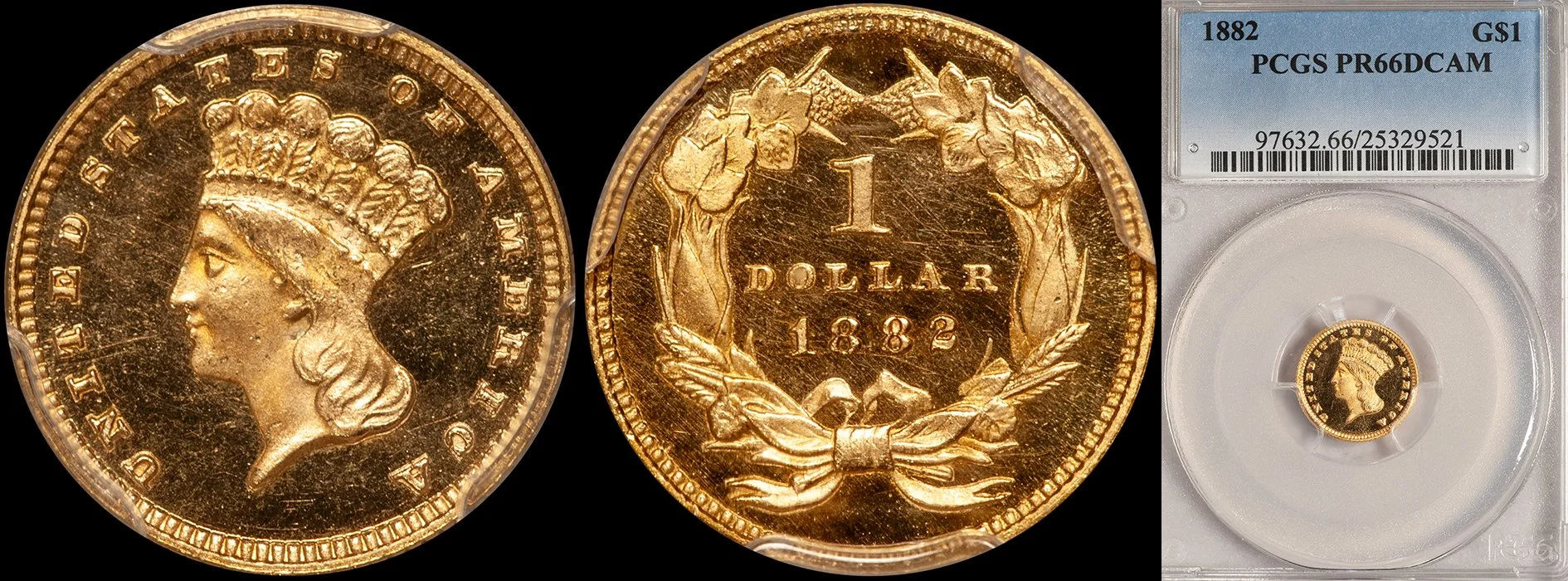
A group of New Orleans gold dollars are led by a lovely PCGS MS62 example of the popular 1855-O. This is a one-year type that features the Type Two design.

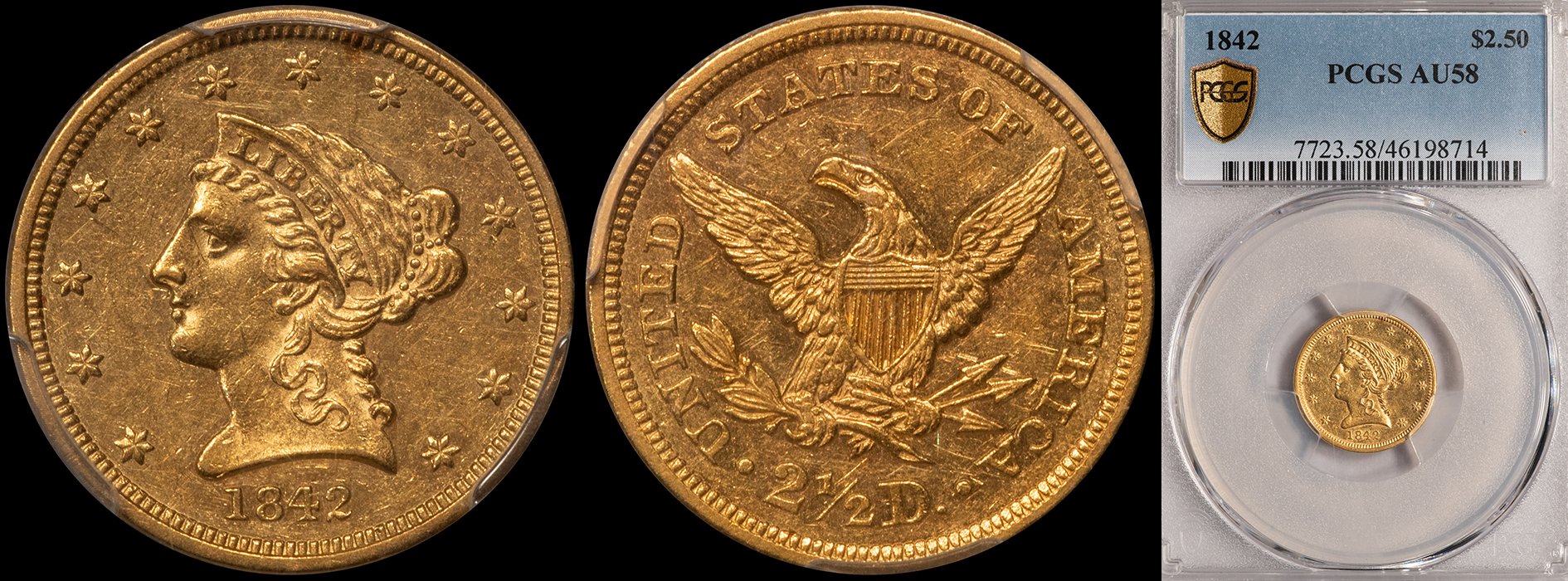
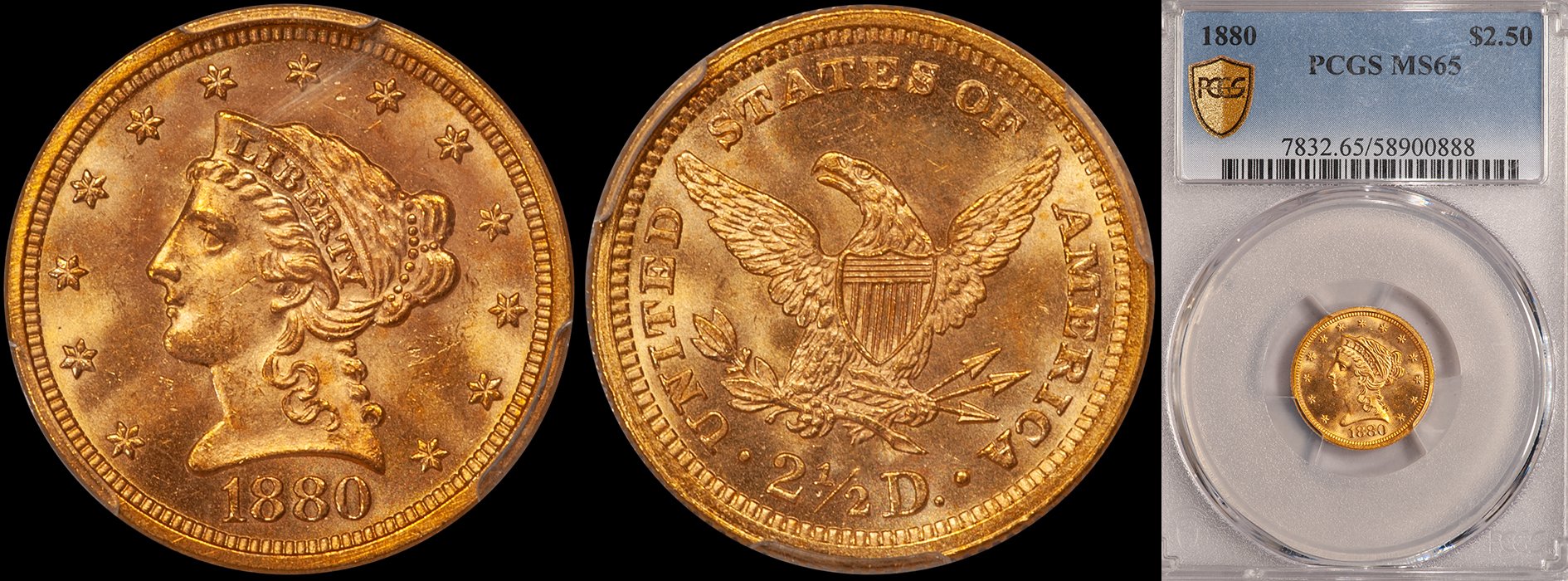
There are a number of outstanding quarter eagles in the collection. Included in the group are PCGS MS62 examples of the 1840-O, 1850-D and 1855-C (the latter with CAC verification). Also featured is a PCGS MS63 1847-O and a PCGS graded AU53 example of the very rare and popular 1845-O.

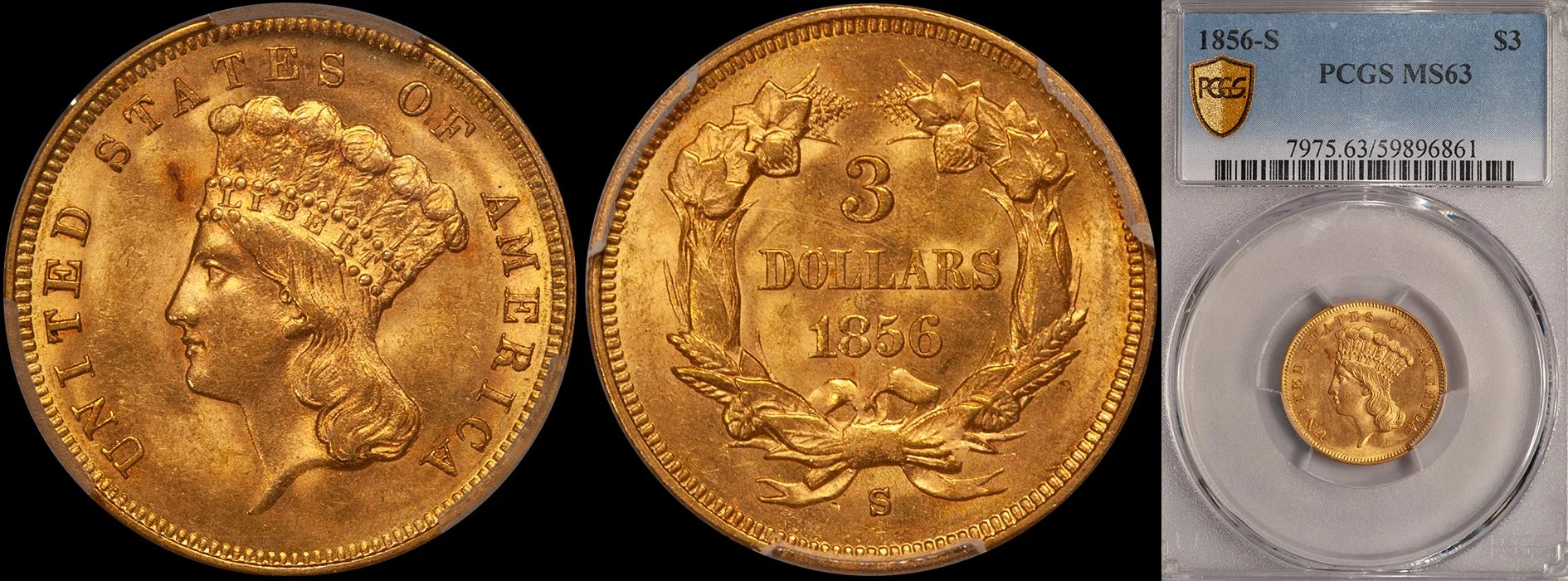
The sole Three Dollar gold piece in the collection is a well struck, naturally toned 1854-O graded AU55 by PCGS.

The strength of the collection is a marvelous run of half eagles. These include a PCGS MS63 1841-D Small Mintmark, an NGC AU58 1842-O, a PCGS MS61 1845-O, an 1847-O in PCGS AU53, a stunning NGC MS64 1852-C with CAC verification and a high end 1858-C graded MS62 by PCGS.

Leading the eagles are an NGC EF45 example of the very rare 1841-O. Other nice New Orleans No Motto pieces are included as well.

The double eagles are few in number but include an 1855 in PCGS MS61.

All of the coins in the collection will be available for sale at my FUN table (520 and 522) but collectors will have first shot at them if they visit my website early and often between now and when I leave for the show next week.

For more information on coins in the Northwest Collection, please feel free to contact me via email at dwn@ont.com or you can call me at (214) 675-9897.

Condition Rarity vs. Absolute Rarity

In numismatics, there are essentially two types of coins. There are coins that are condition rarities and there are coins that are absolute rarities. A condition rarity is a coin whose value is primarily derived from its high degree of preservation. An absolute rarity is a coin whose rarity is based more on the total number known to exist than its grade. As a long-time participant in the coin market, I tend to prefer coins that are absolute rarities. Let’s take a look at a few specific coins that easily fall into one of the two categories. Then, let’s take a look at another category (and for my money the most interesting): a coin that is not only an absolute rarity but a condition rarity as well.

Most new collectors buy coins based on condition. This makes sense. They are introduced to coins through mass marketers or they buy modern coins directly from the United States mint. Mass marketers can’t sell absolute rarity for an obvious reason: there isn’t a large enough supply and mass marketing entails selling products on a large scale.

Certain mass marketed coins aren’t strictly condition rarities in the truest sense of the word. A coin that most people would consider to be a condition rarity would be a common date St. Gaudens double eagle in MS65. But this really isn’t the case. A damaged, virtually destroyed Saint has a current market value of around $1,200 while an MS65 is worth $2,500. The 2x value ratio for a Gem is low when compared to the basal value.

A coin that I would consider a classic condition rarity is an Indian Head half eagle. This is a coin that is worth just a bit over $300 in very low grades but over $15,000 in MS65. That’s a 300x value ratio. I appreciate the fact that a true MS65 Indian Head half eagle is a reasonably scarce coin. But I have a hard time attributing this much value to a high grade example, especially based on the fact that the series is not terrifically popular with date collectors.

So what is there to like and not to like about a condition rarity such as an Indian Head half eagle in MS65? What I don’t like about this coin is exactly what turns me off about condition rarity in general: a significant portion of this coin’s value is based on a subjective factor such as one grading point. In MS64, an Indian Head half eagle is worth $3,500. Most collectors would have a hard time telling an MS64 from an MS65 and a number of already-certified MS65 Indian Head half eagles might come back MS64 if they were (re)submitted for a regrade. And if certified grading were to suddenly disappear, you have a very expensive piece of plastic; in this case (pun intended) one that might be the only thing keeping a $15,000 coin from becoming a $3,500 one.

Another thing I don’t like about this coin is a point I touched on earlier. In theory, an MS65 Indian Head half eagle is a scarce coin. If you go to a major show, you won’t see more than a handful and it is unlikely that any will be what I would consider choice for the grade. But the demand for this coin isn't really all that high. It’s a coin that’s rarely mass marketed (there aren’t enough to go around) and type collectors of 20th century Gem gold don’t appear to be extremely plentiful right now. So while the supply is admittedly low, the demand for this type in Gem might be even lower.

A coin does not have to be expensive to be an absolute rarity. Here’s a totally random example: an 1869 half eagle. Only 1,760 were produced and given the fact that the survival rate for Philadelphia half eagles from this era tends to be around 2-3% it’s safe to assume that only 35-50 pieces are known. I’d estimate that at least half of the known coins are either damaged or well-worn, making an accurately graded EF45 to AU50 piece about as nice as most collectors are going to locate.

What’s interesting about this coin to me is the fact that its rarity is not predicated solely on its grade. You can’t buy a ratty, worn-out 1869 half eagle for $300 like you can an Indian Head half eagle. Basal value for this issue is probably around $1,000. This means that any 1869 half eagle that is gradable (i.e., not harshly cleaned or exhibiting major damage) has a value of at least $1,000 or so.

What’s even more interesting about this coin is that is value level does not skyrocket as you go higher and higher up the circulated coin ladder. You can figure that a decent quality AU55 is going to cost you around $4,000-5,000. That is a 4x to 5x ratio over the world’s worst 1869 half eagle, which seems like good relative value to me.

There is one key point that I haven’t made (yet) which is important. While the 1869 half eagle is a coin with true absolute rarity, it is also a coin with limited collector demand. At this point in time, there are few collectors attempting to assemble date sets of Liberty Head half eagles. This lack of demand, obviously, limits the upside potential of this issue.

Let’s choose another example of a coin that is an absolute rarity but one with a higher degree of collector demand. How about an 1861-D gold dollar? This is a coin that is truly rare in all grades (with fewer than 100 known) AND one with a high level of demand. It is admittedly an expensive coin but there always seems to be collectors looking for an 1861-D gold dollar; both at the low end and at the high end of the grading and price spectrum. If I were an investor looking to purchase a $30,000 U.S. gold coin with good long-term upside, I’d personally be more interested in a coin like the 1861-D gold dollar than, say, a 1907 High Relief in MS64.

As I mentioned earlier in this article, there is one final subcategory of coin: one that combines both condition rarity and absolute rarity. Coins like this are far and few between and they form the cornerstones of truly great advanced collections. Remember the 1861-D gold dollar that I just mentioned? An example that graded MS63 or MS64 and which was properly graded and cosmetically appealing would epitomize this high grade/high rarity hybrid. It would be one of the finest known examples of a coin that is rare in all grades. Given the fact that it would probably command “only” a 5x to 6x premium over a very average quality example, the upside potential is apparent.

What's my all-time favorite number one "hyrbid" rare U.S. gold coin? That's hard to say but one that clearly stands out for me is the Bass/Norweb 1864-S half eagle graded MS65 by PCGS. This coin is a classic in every sense of the word: its extremely rare in all grades, the coin itself is an amazing screaming Gem and it is the finest known by a mile. There's not many U.S. gold coins that hit a home run on three of these parameters and this one does.

Preparing Yourself for the FUN Show

Amazingly, the 2010 FUN is a scant two weeks away. If you have decided to attend the show (and I strongly suggest that if you go to just one show all year that this you consider this one) here is a short list of things to consider. 1. Bring a good lamp. Viewing conditions at the FUN show are not optimal and a good coin viewing lamp is essential. Try if possible to recreate the conditions that you use when you view coins at your home or office.

2. Pull the trigger on really cool coins. My gut feeling is that really good coins are going to be in short supply at this year’s FUN show. My best advice is that if you see something that looks really great or something that you’ve wanted for a long time, don’t waffle.

3. Take an hour lunch break every day. The FUN show is huge and it can be a pretty intense experience for the collector and dealer alike. I think it’s a great idea to leave the show for an hour every day in order to eat a good lunch and take a coin break. Some of the worst purchases I’ve ever made at shows have been when I’ve been tired, cranky and hungry.

4. Have a game plan. If you’ve never been to a major show like FUN, it can be really intimidating. There are hundreds and hundreds of dealers and it’s hard to know where to start. Before you go, spend time on the FUN website (www.FUN.org) and make a list of the dealers that you want to see first.

5. Look at auction lots. Even if you aren’t planning on bidding, the chance to see some of the great coins in the major sales is very educational and rewarding. The FUN sale is traditionally among the very best held each year and this year is no exception.

6. Come as early in the week as you can. Many dealers (not me...) get to Orlando almost a week before the show starts and between the pre-shows, pre-auctions and pre-show hotel room trading, they are burned-out by the time the show opens to the public. I’d say if you aren’t getting there until Saturday you are coming too late. Try, at the very least, to be there on Friday when the show opens.

7. Be safe. There have been a number of robberies after the FUN show ends and you need to remember to be safe. Don’t travel with a lot of cash, don’t display your coins outside of the show, don’t discuss your purchases among strangers and, if possible, have your expensive new purchases shipped to your home/office after the show.

8. Call your favorite dealer(s) before the show starts. Remind them what you are looking for and to hold any important coins for you until you arrive. Speaking from experience, there are a lot of distractions at the show and a gentle prod from a collector is a good way to remind me to hold a coin.

9. If you bring your family, keep them off the bourse floor. Hey, coin buying is serious stuff. Do you really need your wife and kids tagging along? The beauty of the FUN show is that the family can spend the day at Disney World while you play in the world of rare coins.

10. Don’t forget to bring pricing notes. Bring your laptop, your specialized books, your price guides, Trends, the Greysheet, etc. You want to be ready when that special coin turns up.

The 2010 FUN show begins to January 7th and if past shows are any indication, this one should be memorable. If you have any questions about the show, visit the official website mentioned above or feel free to email me at dwn@ont.com

As the 2009 Coin Market Comes to a Close, Where Are We and Where Are We Headed?

With the year nearly over, we are heading towards a slow few weeks in the coin business followed by what is certain to be an interesting FUN Show in January 2010. As we close the year out, I thought it would be interesting to look at a few points and ask where we are and where we’re headed. I have been through some odd coin markets (1982-84 and 1992-1994 come to mind) but what we are currently experiencing is pretty much unique. We are seeing a market where coins that were considered unfavorable a few months ago (bullion and semi-numismatic) are now what everyone wants and “real” coins are as hard to find as at any time I can remember.

The demand for generic U.S. gold, especially double eagles, remains as strong as I have ever seen. The premiums are as high as I can remember. As I write this, gold spot is at $1,140 per ounce (after having broken the seemingly unreachable $1,200 barrier last week) and an average quality MS60 to MS62 Saint is trading for $1,600-1,700. This 40%+ premium over melt for a low-end Saint is easily the highest I can recall and I think it’s pretty remarkable considering that you had to beg people to buy the exact sort of coins a few months ago at a 10% premium.

I am beginning to see some profit taking in the generic market and I think this will continue for a short period, possibly evaporating the premiums. That said, with the current sad state of the American dollar and the worldwide demand for gold, I wouldn’t be stunned to see gold break $1,500 in the next few months and a lower quality Saint to be worth close to $2,000 (!)

What about the rare coin market? It is, in its own way, experiencing topsy-turvy conditions not dissimilar to generics. The big difference is that there is good supply in the generic market but very limited supply in the rare coin market.

As I stated above, it is hard to buy interesting coins right now. Let me explain what I mean before this comment is misconstrued. If you collect Very Fine to Extremely Fine type coins or common date Walkers or Indian quarter eagles, locating coins is probably not a big challenge. But if you collect New Orleans gold or early quarter eagles or superb gem gold dollars you are probably finding it very, very hard right now to buy much. Sure, there are a few pieces around that are either terrifically overpriced or ridiculously overgraded (or a combination of both) but I’m guessing most serious collectors haven’t had an easy time adding to their collections in the last year.

The reasons for this appear pretty simple. There was a good deal of profit taking in 2005 and 2006, which brought quite a bit of material on the market but at very high price levels. The people who then bought in at the high levels either had to sell quickly (and at a significant loss) in late 2007/early 2008 or they have just decided to hold what they have and not sell their good coins at a loss. Another thing to consider is that many of the faux-collectors of the mid-decade have come and gone and most of the buyers for coins these days are serious collectors. They like the coins they own and they just aren’t interested in selling the cream of their holdings.

When I am able to buy interesting coins, they are selling well. I have noticed an uptick in demand for virtually all collector-oriented gold issues in the $1,000-5,000 range. Bigger coins seem to be selling better than smaller coins and nothing appears to be selling better than nice $2,000-5,000 Liberty Head double eagles. Yes, I am nostalgic for the days when I was regularly selling a $25,000+ rarities but I am happy to see many new collectors coming into the market and most of them heading towards the gold aisle in the numismatic mall.

Another issue we are seeing right now in the gold coin market is a real problem with price reporting. With bullion prices rising rapidly, price reporting is naturally lagging. This is compounded by the fact that certain rare date gold prices were unceremoniously devalued after one or two low-end examples sold cheaply at auction. Until we see some accuracy in this area, it will keep down the supply of interesting coins re-entering the market.

Speaking of auctions, it is interesting to note that the upcoming pre-FUN, FUN and post-FUN sales appear to be having a harder time attracting consignments than in years past. A few years ago, specialist dealers like me could use the excuse that auction companies were offering very strong competition when we moaned that we were having a hard time buying coins from collectors. Today, even the most formidable auction firms are extending their consignment deadlines in an attempt to gather more high-powered collections and individual coins.

I’ve heard fewer complaints from collectors and dealers about third-party grading in the last few months. Part of this probably has to do with the fact that most dealers are sending in Saints, Saints and more Saints to PCGS and NGC and the services tend to grade these pretty favorably. But I also think that the creation of CAC has helped to check some of the grading issues that existed in the past and I think the services are, frankly, being more careful with what they grade.

So what’s coming in the near future? As I mentioned above, I think the 2010 FUN will be strong but I am anticipating that I will come home with fewer coins than I’d like to. The name of the game in the early part of 2010 is clearly going to be gold and I wouldn’t be surprised if there is some spillover from the generics market into some slightly more exotic areas.

The Philadelphia Gold Coinage of 1870

The 1873 and 1875 gold issues from this mint have received considerable fanfare over the years but I think the Philadelphia gold coinage from 1870 is pretty interesting as well. Having recently sold a number of high quality 1870 Philadelphia gold pieces, I thought it would be interesting to present an in-depth study of these, going from the dollar all the way up to the double eagle. Gold Dollars: A total of 6,300 business strikes were produced along with 35 Proofs. This is a reasonably common date in most grades with an estimated 250-300 known. Probably half of (if not more) are in Uncirculated grades and the 1870 gold dollar is almost never seen below About Uncirculated grades, indicating that it did not circulate widely. There are at least two dozen Gems known and a few incredible Superb Gems including a PCGS MS68 and a group of four to six MS67’s. The finest known is Heritage 3/06: 1714 ($18,400), ex Superior 2/05: 3424 ($14,375), Superior 11/03: 1166 ($15,525). Some of the PCGS MS67 pieces include Bass II: 175 and Childs: 567.

The 1870 gold dollar is typically a well produced issue with attractive color and rich soft frosty luster. The natural coloration tends to a medium to deep golden hue. Many are a bit softly struck at the centers and the 87 in the date may not be fully formed.

This is an affordable issue that is good value with decent quality Uncirculated pieces still available for around $1,000. Gems trade in the $4,000-5,000 range and seem like good value.

Proof 1870 gold dollars are extremely rare and much undervalued. Of the 35 struck there are probably no more than ten to twelve known including a few impaired examples. Since 2000 there have been only five auction records and this includes one duplication (the Pittman coin) and an impaired example (ex Bass IV: 75).

Quarter Eagles: There were 4,520 business strikes produced along with 35 Proofs. This issue is a bit more available in terms of overall rarity than one might expect with an estimated 100-125 known. Most 1870 quarter eagles are seen in the EF45 to AU55 range. Unlike the gold dollar from this year, there are only a handful known in Uncirculated; maybe five to seven at most. The undisputed finest is Bass II: 568 (later sold as Goldberg 2/03: 1924) which is a lovely PCGS MS65. None of the other Uncirculated coins grades higher than MS62.

This tends to be a well-made issue that has luster than ranges from frosty to prooflike. Most are very heavily abraded and I have not seen more than a handful with natural coloration.

Nice AU 1870 quarter eagles remain affordable and undervalued with examples trading in the $1,000-1,500 range. The few decent quality Uncirculated pieces I have seen have brought in the $3,000-5,000 which seems like extremely good value for such a scarce coin.

Proof 1870 quarter eagles are extremely rare. While the mintage is a reported 35, I believe that many were melted and today as few as seven to nine exist. Only two have been auctioned since 1996 and the finest that I have seen is Bass III: 224, graded PR65 by PCGS.

Three Dollars: There were 3,500 business strikes made as well as an additional 35 Proofs. An estimated 150-200 are known with most in the EF45 to AU55 range. In Uncirculated there are around two dozen known. There are no Gems and just two or three properly graded MS64’s. The finest that I have seen is ex Bass II: 685 and this PCGS MS64 sold for $16,100 in 1999. A decade later (in March 2009 to be exact), an NGC MS64 brought $18,400 in a Heritage auction.

The typical 1870 three dollar gold piece business strike is semi-prooflike and there are some that are so fully prooflike that that can resemble Proofs. Business strikes always show die striae in the fields and some have clashmarks at the centers. The natural coloration is a medium orange-gold and undipped pieces tend to show coppery hues towards the borders.

This is another affordable issue. A nice quality About Uncirculated 1870 Three Dollar gold piece will run in the area of $2,500-4,000 while presentable lower grade Mint State pieces run around $5,000 to 9,000.

Proofs are extremely rare. There are an estimated dozen known and only four auction appearances have occurred since 2000. Nearly every known Proof is in the PR63 to PR64 range and Gems are exceedingly rare with perhaps one or two accounted for.

Half Eagles: The mintage for business strike half eagles from 1870 is just 4,000 while an additional 35 Proofs were produced. I believe that there are 65-75 known with most in the EF40 to AU50 range. Properly graded AU coins are extremely scarce with twelve to eighteen accounted for and there is just a single Uncirculated 1870 half eagle, ex Bass II: 1169 (graded MS61 by PCGS) where it sold for a reasonable $14,375 back in 1999.

The luster on 1870 half eagles tends to be satiny but it also tends to be impaired due to heavily abraded surfaces. Most examples have been cleaned or dipped at one time and original pieces with nice color and surfaces are very rare.

Prices for this date remain very reasonable, given its scarcity. An Extremely Fine piece will cost in the $1,500-2,000 range while AU’s run in the $3,500-7,000 range depending on the quality.

Proof 1870 half eagles are extremely rare and it is likely that a number of the 35 struck were melted later in the year after they went unsold. Based on the fact that only four auction appearances have been recorded since 2000 (one of which is a duplicate), I would not be surprised if only seven or eight are known. The finest known by a large margin is the wonderful NGC PR66Cam that is ex Goldberg 5/08: 4437 ($92,000) and Goldberg 2/07: 2325.

Eagles: The mintage for 1870 eagles is 3,990 business strikes along with another 35 Proofs. The certified population figures for this date are higher than one would expect with a total of 147 graded between the two services as of December 2009. However, I believe that this is the product of numerous resubmissions and the actual number of 1870 eagles known is fewer than 100. The typical example grades in the EF40 to AU50 range and choice, properly graded pieces in AU55 to AU58 are extremely scarce. I do not know of a single Uncirculated 1870 eagle although NGC has graded a solitary coin in MS60.

This date is typically seen with very heavily abraded semi-prooflike surfaces. It is probably the most difficult gold denomination from this year and mint to locate with good eye appeal. I can’t recall having seen more than a very small number of 1870 eagles which had good overall eye appeal and attractive natural coloration.

Lower grade 1870 eagles are very reasonably priced and the last Extremely Fine I had brought in the area of $1,500. AU pieces range from $2,000 to close to $10,000 based on quality.

Proofs are exceedingly rare. As with the other denominations of this year, it seems likely that a number were melted. Today it is likely that as few as seven or eight are known and only three have sold at auction since 2000. PCGS has graded just one Proof 1870 eagle (a PR64) while NGC shows five including two each in PR65 Cameo and PR65 Ultra Cameo.

Double Eagles: The mintage figure for business strike 1870 double eagles is considerably more than for all the other denominations from this date and mint combined. There were 155,150 business strikes made along with another 35 Proofs. This date is much scarcer than generally believed and it is likely that only 400-500 business strikes are known with most in the EF45 to AU55 range. Uncirculated pieces are scarce and I believe around three dozen exist with nearly all grading MS60 to MS61. Properly graded MS62 examples are rare and there are no pieces currently graded higher than MS63. The best I have personally seen is Heritage 1/07: 3718, graded MS63 by PCGS, which sold for a record $48,875. There are five graded MS63 between the two services including two at PCGS and three at NGC.

The vast majority of business strike 1870 double eagles have very heavily abraded surfaces and show a moderate amount of frosty luster. The few higher grade pieces known tend to exhibit rich frosty luster and nice orange-gold coloration. The strike is better than average for a Type Two issue of this era with some definition noted on the hair strands and shaper radial lines than on the 1868 or 1869 double eagles.

A decent quality Extremely Fine 1870 double eagle remains reasonably priced at around $2,000 while a nicer AU coin will set you back $3,000 to $5,000+.

Proofs are extremely rare although there appear to be more around than the eagles of this date. An estimated ten to twelve are known including a few very nice survivors. The finest known is the incredible Stack’s 1/09: 1410 that sold for $368,000 in a PCGS PR66 holder. This coin now appears to be graded PR67 Ultra Cameo by NGC and it is one of the very finest Proof Type Two double eagles of any date.

The Philadelphia gold coinage of 1870 is scarce and interesting but unlike other dates from this era, the set is completable and not expensive in medium grades. In fact, the collector of average means can put together a very nice set of these issues in Extremely Fine to About Uncirculated grades for well under $20,000.

The Evaporation of the Premium Factor in the Carson City $20 Market

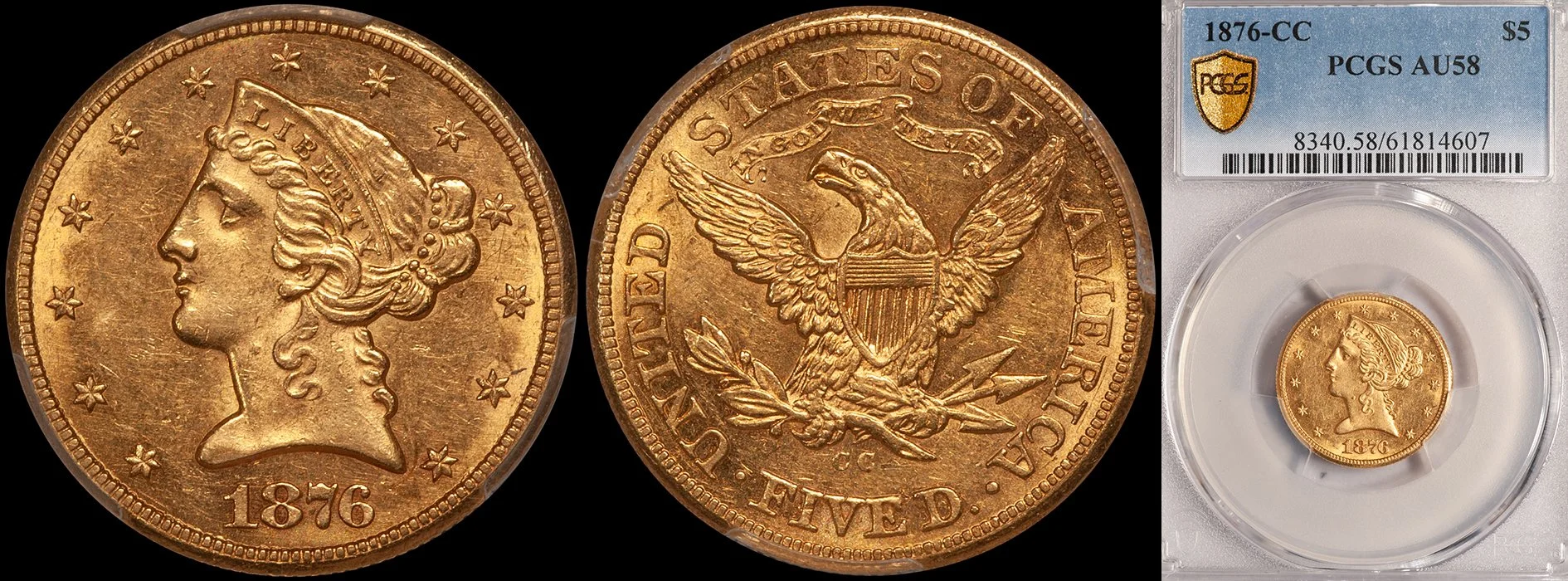
One of the many interesting facts about the rare coin business at this point in time is that the focus in the gold market is clearly on generics and semi-numismatic items and, at least for the time being, off many rare coins. How has this shift of focus affected the Liberty Head double eagle market and, more specifically, the market for common date Carson City issues? I look at common CC double eagles as a sort of bellwether for the dated gold market. The most common Carson City issues (such as the 1875-CC, 1876-CC, 1883-CC, 1884-CC, 1890-CC and 1892-CC) are affordable, exist in enough quantity that they are subject to occasional promotional activities and have a good enough background story that they are easy to sell to beginning collectors.

Traditionally, the price ratio for Extremely Fine and About Uncirculated Carson City double eagles versus generic common dates of this design was around two to one for XF coins and around three to one for AU coins.

A year ago, well before the current soaring gold market, a common 1904 double eagle in Extremely Fine was worth in the area of $700-800 and not an easy issue to sell. The same coin in About Uncirculated was worth just a bit more; say $750-850. At the same point in time, an 1890-CC double eagle was worth around $1,400-1,600 in EF and $2,000-2,250 in AU. This meant that the price ratio for the two issues was approximately 2x in EF and 3x in AU.

Today, this premium ratio has changed, primarily due to the fact that the price of gold has risen to nearly $1,200 per ounce and the demand for nondescript bullion-related double eagles is at an unprecedented high. Right now, a 1904 double eagle in Extremely Fine is worth around $1,500-1,600 while an AU is worth around $1,550-1,650. The market for an 1890-CC in these grades has risen as well, just not as dramatically as a seemingly mundane common date.

In Extremely Fine the current market value for an 1890-CC double eagle is around $2,000 while an AU50 is worth in the area of $2,500-2,750. This means a price ratio of about 1.3x for an Extremely Fine and in the area of 1.7 to 1.8x for an AU.

Why have the premiums for the Carson City double eagle(s) evaporated as much as they have? The answer is simple: the demand for double eagles is at unprecedented levels but the buyers of these coins tend to be unsophisticated investors who want anonymous, cheap coins with as small of a numismatic premium as possible. Even the most Carson City double eagle, like an 1890-CC, is still a numismatic coin and it is hard to convince a dispassionate investor that he should pay a 1.3 to 1.8x premium for two little “C’s” on the reverse.

If the price of gold continues to stay at its current level and demand for common issues remains as strong as it currently is, I do expect a small amount of this frenzy to spill over into coins such as Carson City double eagles. It is likely that the marketers who are selling bulk lots of 1904 double eagles in EF and AU are likely to attempt to “up sell” new investors into the rare coin market as these coins provide greater markups and more profit.

At this point in time I would have to say that common date CC double eagles are a pretty good value and if the price of gold continues to rise, it seems like they are a pretty good “double play” that incorporates the value of nearly an ounce of gold with some real numismatic scarcity. It will be interesting to see where the market premium factor for these coins are in another year.